
Are Chaise Sofas Making a Strong Comeback in 2026?
Chaise sofas are making a strong comeback in 2026, becoming an essential furniture piece once again. This shift in living room design is not happening alone—it’s part of a larger trend in 2026 sofa trends that embraces individuality, coziness, and adaptable living spaces.
Why Chaise Sofas Are Making a Comeback
The resurgence of chaise sofas Sydney reflects our changing relationship with home interiors. Modern homeowners are moving away from plain, mass-produced furniture and instead opting for pieces that make bold statements while providing exceptional comfort. Chaise sofas perfectly embody this philosophy, offering an elegant shape that grabs attention without compromising on practicality.
How Chaise Sofas Fit Into Our Lives
What makes the chaise sofas comeback particularly interesting is how well it aligns with our actual lifestyles. These furniture pieces aren’t just for show—they’re built for real-life use. Whether you’re snuggled up with a book on a lazy Sunday, throwing a movie night gathering with friends, or creating a cozy reading corner, chaise sofas adapt to your requirements.
The Role of Design Trends
The current design trends that prioritize personality and adaptability have given chaise sofas new significance. They serve multiple purposes:
- Defining spaces: In open-plan layouts, chaise sofas act as architectural anchors that delineate different areas.
- Providing comfort: With their signature deep-seated design that’s perfect for lounging, these sofas create inviting zones.
- Expressing style: Through fabric choices, color palettes, and unique shapes, chaise sofas become style statements that reflect individual taste.
- Maximizing functionality: In homes where every piece of furniture needs to serve multiple functions, chaise sofas offer versatile solutions.
A Blend of Timelessness and Modernity
This revival isn’t simply about longing for the past. Today’s chaise sofas combine classic elegance with contemporary sensibilities, proving that functional furniture can be both expressive and stylish.
What Is Driving the Chaise Sofa Trend in 2026?
The revival of chaise sofas is part of a larger design shift towards retro-style sofas that prioritize personality over minimalism. Homeowners are rejecting stark, streamlined furniture in favor of pieces that make bold statements and evoke nostalgia. This movement celebrates curves, plush proportions, and distinctive silhouettes reminiscent of mid-century and 70s-inspired designs that dominated earlier decades.
Oversized sofas have become the cornerstone of contemporary comfort-focused interiors. Deep-seated designs with generous cushioning answer the growing demand for furniture that invites lounging rather than perching. These substantial pieces transform living rooms into cozy retreats where families can sink in after long days, stretch out for movie marathons, or curl up with books without feeling cramped.
The popularity of communal living furniture reflects significant lifestyle changes in how people use their homes. Post-pandemic living patterns have reinforced the importance of shared spaces where multiple activities happen simultaneously—children doing homework while parents work remotely, family game nights, or casual entertaining. Chaise sofas naturally accommodate these varied needs through their extended seating areas that welcome several people without forcing formal arrangements.
Open-concept floor plans have accelerated the need for furniture that defines space without physical barriers. A strategically placed chaise sofa creates natural boundaries between cooking, dining, and relaxation zones while maintaining visual flow. The extended chaise portion acts as an anchor point that signals “this is where we gather” without requiring walls or dividers.
Television rooms and dedicated dens have re-emerged as essential home features, moving away from the everything-in-one-room approach. These spaces demand furniture that maximizes seating capacity while maintaining an intimate atmosphere. Chaise sofas excel in these environments by offering the square footage of multiple chairs within a cohesive design that encourages conversation and togetherness.
How Do Chaise Sofas Enhance Comfort and Functionality?
Chaise Sofas Offer Exceptional Comfort
Chaise sofas deliver exceptional comfort through their generous proportions and thoughtful construction. These ultra-cozy sofas feature deeper seats—typically 24 to 30 inches compared to standard 20-inch depths—allowing you to fully recline or curl up with plenty of room to spare. The extended chaise portion eliminates the need for an ottoman while providing a dedicated lounging area that cradles your entire body.
The plush cushioning in modern chaise designs combines high-density foam bases with softer top layers, creating a sink-in sensation without sacrificing support. Many models incorporate down-blend fills or memory foam that contours to your body, making marathon movie sessions or afternoon naps genuinely restorative rather than leaving you stiff.
Chaise Sofas Create Intimate Conversation Spaces
Sectional sofas with chaise extensions excel at carving out intimate conversation spaces within larger rooms. The L-shaped or curved configuration naturally draws people together, creating a cozy enclosure that encourages face-to-face interaction. Unlike traditional straight sofas that position everyone in a row, the perpendicular seating arrangement fosters connection while maintaining personal space.
Chaise Sofas Serve Multiple Household Needs
The extended lounging surface serves multiple household needs throughout the day:
- Morning reading nooks where you can stretch out with coffee and a book
- Afternoon workspaces for laptop sessions with proper back support
- Evening entertainment hubs accommodating family movie nights
- Guest seating that provides comfortable spots for multiple visitors
Chaise Sofas Adapt Between Solitary and Social Functions
Chaise sofas adapt seamlessly between solitary and social functions. When you’re alone, the chaise becomes your personal retreat—a dedicated spot for decompression that feels more intentional than perching on a regular sofa. The extended surface lets you fully recline with your legs elevated, promoting better circulation and reducing physical tension.
During family gatherings, the same piece transforms into a communal anchor. Children claim the chaise for sprawling game sessions while adults occupy the main seating. The varied seating depths accommodate different body types and preferences, from those who prefer upright posture to family members who favor a more relaxed position. This flexibility eliminates the need for multiple furniture pieces, maximizing both floor space and budget efficiency.
What Are the Best Styling Tips for Integrating Chaise Sofas into Open-Plan Living Spaces?
Chaise sofas excel at creating invisible boundaries in open-plan living styling. Position your chaise perpendicular to a wall or floating in the middle of the room to naturally separate your living area from the dining space or kitchen. The extended lounging section acts as a visual anchor that signals a shift in function without requiring physical dividers or walls.
Strategic Placement for Area Definition Without Walls
The L-shaped profile of a chaise sofa creates an organic room divider. Place the chaise end facing away from high-traffic pathways to establish a cozy retreat within the larger space. This configuration protects the lounging area from constant foot traffic while maintaining sightlines across the entire room.
Pair your chaise with complementary furniture pieces to reinforce zone boundaries:
- Position a console table behind a floating chaise sofa to delineate the living zone
- Add a large area rug beneath the chaise to visually ground the seating area
- Place floor lamps or side tables at the chaise end to mark territorial edges
Maintaining Flow While Creating Intimacy
Scale matters when balancing comfort with openness. Choose a chaise sofa proportional to your space—oversized pieces work in expansive lofts, while streamlined designs suit compact open-plans. Leave 30-36 inches of clearance around the sofa for comfortable movement between zones.
Armless chaise designs prevent visual heaviness in open layouts. The absence of bulky armrests allows the eye to travel freely across the space, maintaining that coveted sense of airiness even with substantial seating. This approach embodies the essence of chaise sofas are back: how to style the comeback trend—merging bold presence with spatial awareness.
Color and Texture Considerations for Cohesion
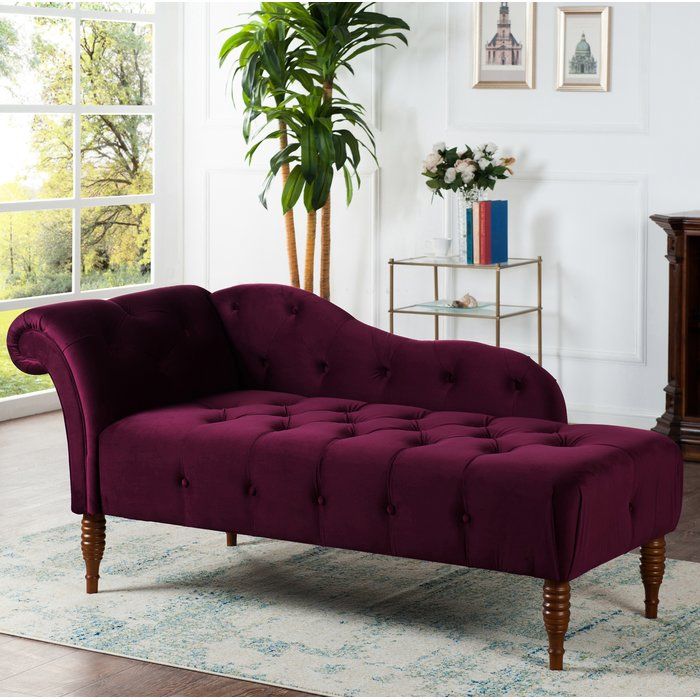
Select upholstery that complements adjacent zones rather than competing with them. A moody bruised purple chaise can anchor a living area while coordinating with lighter dining chairs nearby. Textured fabrics like bouclé or velvet add tactile interest without creating visual barriers that fragment the space.
Orient the chaise to face your primary focal point—whether a fireplace, television
Which Materials and Textures Are Trending for Chaise Sofas?
The upholstery materials 2026 trend centers on tactile richness and natural authenticity. Real leather, organic linen, velvet, and bouclé dominate the chaise sofa landscape, each bringing distinct character to contemporary interiors.
1. Real Leather: Timeless Sophistication
Real leather delivers timeless sophistication with its ability to develop a unique patina over time. Full-grain and top-grain leather options offer durability that improves with age, making them ideal for high-traffic family spaces. The material’s natural temperature regulation keeps seating comfortable year-round, while its inherent strength withstands daily use without compromising visual appeal.
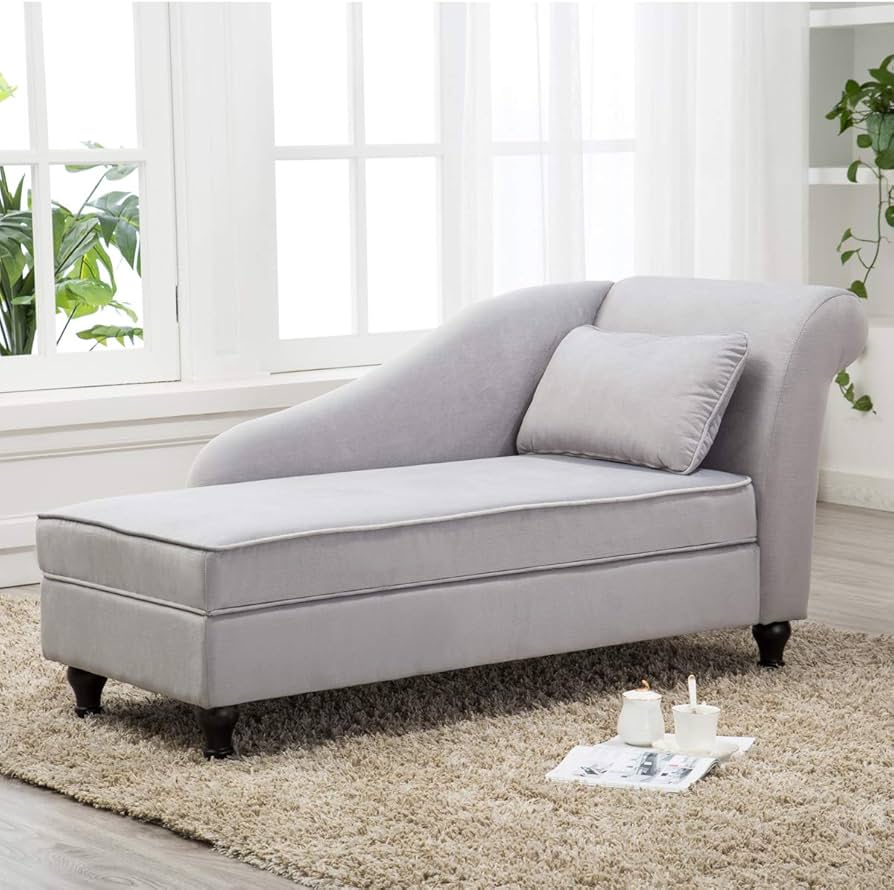
2. Organic Linen: Breathable and Low-Impact
Organic linen appeals to environmentally conscious homeowners seeking breathable, low-impact textiles. This natural fiber provides a relaxed, lived-in aesthetic that suits both coastal and minimalist interiors. Linen’s moisture-wicking properties prevent heat buildup during extended lounging sessions, and its subtle texture catches light beautifully throughout the day. Click here to get about: Maximizing comfort with a stylish corner sofa.
3. Velvet: Luxurious Focal Points
Velvet transforms chaise sofas into luxurious focal points through its light-reflective pile. The fabric’s depth creates visual interest from different angles, shifting between rich saturation and subtle shimmer. Modern performance velvets combine the material’s signature softness with stain-resistant treatments, addressing practical concerns without sacrificing sensory appeal.
4. Bouclé Texture: Architectural Dimension
Bouclé texture brings architectural dimension to seating through its looped, nubby surface. This wool-blend fabric adds warmth and visual weight to contemporary spaces while maintaining a soft hand feel. The texture naturally camouflages minor wear patterns, making it practical for homes with children or pets.
Mixing these materials within a single space creates layered visual interest. A leather chaise paired with linen throw pillows balances structure with softness, while velvet cushions on a bouclé base add tonal variation. The key lies in selecting upholstery that aligns with your lifestyle demands—leather for durability, linen for breathability, velvet for drama, or bouclé for textural intrigue.
What Color Palettes Are Ideal for Styling Chaise Sofas This Year?
Moody hues sofa colors dominate the 2026 chaise sofa palette, with bruised purple and dark green leading as statement-making choices. These rich, saturated tones transform chaise sofas into dramatic focal points that anchor living spaces with sophistication and depth.
Bruised Purple: Elegance in Contemporary Interiors
Bruised purple brings an unexpected elegance to contemporary interiors. This complex shade—somewhere between plum, mauve, and dusty violet—adds warmth without overwhelming a room. The color works particularly well in spaces with abundant natural light, where it shifts throughout the day from soft and romantic to bold and theatrical.
Dark Green: Grounding Tones Inspired by Nature
Dark green channels nature’s most grounding tones into interior spaces. Forest green, hunter green, and deep emerald variations create a sense of calm while maintaining visual interest. This color pairs beautifully with brass or gold hardware details, creating a luxurious aesthetic that feels both modern and timeless.
Softer Natural Shades in the 2026 Palette
Beyond these moody hues sofa colors, the 2026 palette embraces softer natural shades:
- Sky blue introduces serenity and openness, ideal for smaller spaces or rooms seeking an airy feel
- Mellow yellow adds cheerfulness without the intensity of brighter yellows, creating inviting conversation areas
- Leaf green brings organic freshness, connecting indoor spaces to outdoor environments
The Importance of Neutral Foundations
Neutral foundations remain essential for those preferring versatile styling options. Warm beiges, soft grays, and creamy whites provide blank canvases that allow accessories and artwork to rotate seasonally. These understated bases work especially well when the chaise sofa’s texture—like bouclé or velvet—provides visual interest independent of color.
Creating Dynamic Visual Effects with Color Blocking
The strategic use of color blocking creates dynamic visual effects. A chaise sofa in bruised purple positioned against walls painted in complementary soft pink or warm gray establishes sophisticated contrast. Dark green chaise sofas gain additional depth when surrounded by natural wood tones and terracotta accents.
Understanding Color Psychology in Selection
Color psychology plays a role in selection. Deep, saturated hues create intimate, cocooning environments perfect for relaxation and unwinding. Lighter, brighter shades energize spaces and encourage social interaction. Consider the room’s primary function when selecting your palette—entertainment
How Do Design Details Influence the Modern Chaise Sofa Look?
Design details transform chaise sofas from simple seating into architectural statements that define contemporary interiors. The armless sofas trend leads this evolution, with designers removing traditional arms to create visually lighter pieces that float within a room rather than dominate it.
Armless chaise sofas: opening up living spaces
Armless chaise sofas open up sightlines across living spaces, making even compact rooms feel more expansive. The clean, uninterrupted lines allow these pieces to blend seamlessly into open-plan layouts while maintaining their presence as functional furniture. This design choice particularly benefits smaller apartments where every visual inch counts.
Comfort for all body types
The absence of arms serves practical purposes beyond aesthetics. These streamlined designs accommodate different body types and sitting positions more comfortably, allowing people to stretch out lengthwise without arm barriers. Side-sleepers find armless chaises particularly inviting for afternoon naps, while readers appreciate the freedom to position themselves at various angles.
Adding personality through decorative embellishments
Decorative embellishments add personality without overwhelming the minimalist silhouette. Designers incorporate:
- Fringes along the base that create movement and soften hard edges
- Contrast piping that defines the sofa’s sculptural form
- Tassels at corners for playful texture
- Topstitching details that highlight craftsmanship
Balancing softness and structure
Puffy, cloud-like shapes paired with neat architectural detailing create visual tension that makes modern chaise sofas compelling. The juxtaposition of soft, overstuffed cushions against precise seams and structured bases delivers both comfort and sophistication. This combination prevents pieces from appearing too casual or overly formal.
Integrating functionality with modular elements
Modular elements integrate into chaise designs, with built-in side tables emerging as popular additions. These attached surfaces eliminate the need for separate end tables while maintaining the sofa’s cohesive appearance. Some designs feature adjustable components that transform from chaise to standard sofa configurations based on daily needs.
Creating an airy aesthetic with low-profile legs
Low-profile legs or plinth bases contribute to the airy aesthetic, creating the illusion that chaise sofas hover slightly above the floor. This detail proves especially effective in rooms with high ceilings, where the negative space beneath the furniture balances vertical proportions. Exposed wooden legs in natural finishes add warmth to leather or linen upholstery
Why Are Chaise Sofas Considered Timeless Yet Expressive Furniture Pieces?
Chaise sofas hold a special place in timeless furniture trends because they offer lasting comfort and also allow for personal expression. The basic design of a chaise sofa—a long seat with an extension for lounging—hasn’t changed much since it was first created. This shows that it has remained functional and popular through different eras and design styles.
Classic comfort meets contemporary boldness through the chaise’s inherent versatility. A traditional rolled-arm chaise upholstered in neutral linen maintains its place in refined interiors, while the same form wrapped in bruised purple velvet transforms into a daring centerpiece. This duality allows homeowners to invest in a piece that won’t feel dated as trends shift.
The architectural presence of a chaise sofa anchors a room without demanding constant updates. Unlike trendy accent chairs that might feel stale within a season, the substantial footprint and purposeful design of a chaise creates visual weight that transcends fleeting styles. The form itself communicates intention—this is furniture meant for genuine living, not just visual appeal.
Expressive potential emerges through customization choices:
- Upholstery selection transforms personality (organic linen for understated elegance, bouclé for textural drama)
- Leg styles range from exposed wood for mid-century nods to hidden bases for contemporary sleekness
- Decorative details like fringes or contrast piping add individual character
- Scale variations accommodate both intimate reading nooks and sprawling family spaces
The chaise format naturally encourages authentic use patterns that align with how people actually inhabit their homes. Stretched out with a book, curled up for movie nights, or providing overflow seating during gatherings—these real-world functions ensure the piece remains relevant regardless of aesthetic shifts. A sofa that genuinely serves daily life never truly goes out of style.
Color choices amplify this timeless-yet-expressive balance. Deep green or dark charcoal selections make bold statements while drawing from nature’s enduring palette. These moody hues feel both current and rooted in historical precedent, avoiding the pitfall of colors that scream a specific era. Additionally, exploring the 2025 paint colors of the year can provide further inspiration for those looking to enhance their space with these rich tones. The richness ages gracefully rather than appearing trapped in a moment.
Embracing the Chaise Sofa Trend in 2026: A Thoughtful Approach to Style Your Space
How can you successfully incorporate chaise sofas into your home this year? Start by evaluating your space’s dimensions and traffic flow before selecting materials that align with your lifestyle needs. Styling chaise sofas 2026 requires intentional decision-making rather than impulse purchases.
Consider these practical steps when chaise sofas are back: how to style the comeback trend:
- Measure twice, buy once: Map out the chaise’s footprint in your room using painter’s tape to visualize how it affects movement patterns
- Match materials to usage: Choose leather for high-traffic family areas, velvet for formal spaces, and bouclé for cozy reading nooks
- Test depth before committing: Deep-seated designs look luxurious but may not suit everyone’s comfort preferences
- Plan your color strategy: Decide whether your chaise will anchor the room as a statement piece in moody hues or complement existing décor in neutrals
The spatial planning aspect deserves special attention. Position your chaise to create natural zones in open-plan layouts without blocking sightlines. An armless design works beautifully when you need to maintain visual flow between areas.
Think about longevity when selecting upholstery. Organic linen ages gracefully with a lived-in patina, while real leather develops character over time. These materials justify the investment in a quality chaise sofa.
Your lighting choices amplify the chaise’s impact. Place floor lamps beside the extended section to create an inviting reading spot. Layer textures through throw pillows and blankets that complement your chosen upholstery without overwhelming it.
The comeback of chaise sofas offers an opportunity to refresh your living space with furniture that works as hard as it looks good. Select pieces that reflect your personal style while serving your household’s practical needs.